Pages

Subscribe Twitter Twitter
Showing posts with label vegetables. Show all posts

Wednesday, 12 May 2010

Papaya


Papaya commonly known as 'PawPaw' is a delicious fruit with butter-like consistency. Once considered quite exotic, they can now be found in markets throughout the year. Although there is a slight seasonal peak in early summer and fall, papaya trees produce fruit year round, with the peak season running from April through October. Originally from southern Mexico and neighbouring countries, the papaya plant is now cultivated in most tropical countries. Papayas are grown in both tropical and subtropical regions, including Mexico, Brazil, India, and Southeast Asia. The trees, related to the North American pawpaw, grow quickly and do not live long, but nevertheless seed easily and yield fruit year-round. There are about 50 varieties of papayas, many of which are inedible and not sold commercially.

The papaya, is the fruit of the Carica papaya tree. Papayas are spherical or pear-shaped fruits that can be as long as 20 inches. The ones commonly found in the market usually average about 7 inches and weigh about one pound. Their flesh is a rich orange color with either yellow or pink hues. Inside the inner cavity of the fruit are black, round seeds encased in a gelatinous-like substance. Papaya's seeds are edible, although their peppery flavor is somewhat bitter.

Papayas are picked completely green and firm, they will usually not ripen, but can be used in cooking. Choose fruit that is free of black spots and damage to the skin. The spreading yellow color indicates the papaya is softening and shows how far along it is in ripening; fruit with a little yellow near the end takes five to seven days to ripen. Ripe yellow papayas may be stored in the refrigerator for about a week. Refrigeration will also slow the ripening process in fruit intended for cooking.

For the biggest nutritional benefits, the fruit, seeds and/or skin should be eaten. But tea made from the leaves or dried fruit has shown many of the same properties. Papaya is most often taken in the form of supplements (papaya enzymes) but if you enjoy tea, you might as well give it a try. The fruit, as well as the other parts of the papaya tree, contain papain, an enzyme that helps digest proteins. This enzyme is especially concentrated in the fruit when it is unripe. Papain is extracted to make digestive enzyme dietary supplements and is also used as an ingredient in some chewing gums. Papayas are rich sources of antioxidant nutrients, minerals and fibre. Papayas may be very helpful for the prevention of diabetic heart disease. Papayas are an excellent source of vitamin C as well as a very good source of vitamin E and beta-carotene, three very powerful antioxidants. These nutrients help prevent the oxidation of cholesterol. They are rich in Fibre. The Ayurveda experts have regarded papain as a remedy for abdominal disorders. It is a good medicine for dysentery, hyper-acidity, dyspepsia and constipation. Pimples are removed by rubbing the white pulp of raw papaya on the face. It brings lustre to the face and removes wrinkles.

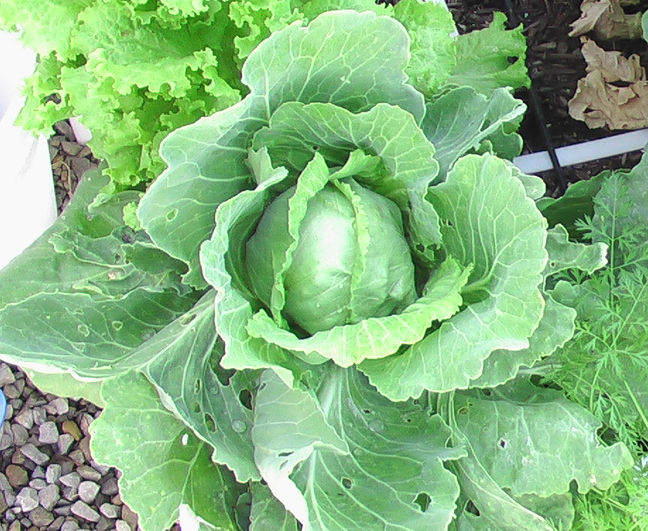
Cabbage


Cabbage 'The drug of the poor' is botanically known as Brassica oleracea. The health benefits of the cabbage are known for ages. It is a relatively cheaper than any other vegetable. It is a perennial vegetable. Cabbages are sturdy and strong. Cabbage has a round shape and is composed of superimposed leaf layers. Cabbages grown late in autumn and in the beginning of winter. The only part of the plant that is normally eaten is the leafy head. There are three major types of cabbage: green, red and Savoy. Red cabbages contain significantly more protective phytonutrients than white cabbages. There are many varieties of cabbage like the 'Danish Ballhead', 'Late Flat Dutch' etc.,


Cabbage helps cure ulcers and prevents colon cancer. It is rich in fiber and low in calories. The fiber content helps the intestines to stay healthy. It helps is reduced absorption of iodine and prevents thyroid disorders. It is an excellent source of beta- carotene. The beta-carotene helps prevent cataract. Cabbage is rich in vitamin A, B, C, E. Cabbage is rich in minerals like Thiamin, riboflavin, calcium, potassium, magnesium and proteins. It helps boost immunity. Cabbages are used to treat acute inflammation. It helps relieve painfully engorged breasts. Alzheimer's which is caused due to the accumulation of a protein called beta-amyloid results in damage of the brain cell. The antioxidant polyphones which is present in cabbage can protect the brain cells from such a damage. Raw cabbage juice is said to cure ulcers. The cabbage is a good source of folic acid which lowers the risk of having babies with Spina bifida.


Cabbages are available in the market in abundance. While choosing the cabbages the following points should be kept in mind.
1. Avoid buying precut cabbages.
2. Choose cabbages that are dense and firm.
3. Avoid cabbages with too many loose leaves.
4. Store cabbages in a cool place to make them stay fresh for longer duration.
5.Once cabbages are cut wrap them up tightly in a plastic bag and store else the vitamin c component starts to degrade.
Napa cabbage has a mild sweet taste and is incredible in stir fry dishes. Shredded raw cabbage is usually used in salads, such as coleslaw. Cabbage is often added to soups or stews.


Chives


Chives is the smallest species of the onion family alliceae. They bloom in May and June. The pretty lavender-pink globular flower heads of chives not only beautify the garden, but they can also be used as a garnish for salad dishes. It grows in clumps rather than as individual plants. Its species name dervives from the Greek word skhoinos(sedge) and prason(onion). Its English name chive is derived from the French word cive derived from cepa being the Latin word for onion.
The Romans seem to have believed that chives could relieve a sore throat and sunburns. Chives are native to the cool regions of Europe and Asia. Now they grow wild in North America, especially around the Great Lakes region. They can even be found growing wild in your backyard lawn. Chives are a popular hardy garden plant that grows from 8 to 15 inches tall.

Chives can be used for control of high blood pressure. The whole plant has a beneficial effect on the digestive system and blood circulation. It improves appetite, is a digestive, a hypotensive and a tonic. It possesses anti-bacterial properties and is used in Vietnam in the treatment of cough, sore throat, asthma dysentery and dyspepsia. When added to the diet on a regular basis chives help reduce blood cholesterol.
The seed contains alkaloids and saponins. It is used in the treatment of spermatorrhoea, haematuria, incontinence and lumbago. The most prominent vitamin contained in chives is vitamin K. They also contains vitamins A and C. Calcium is the most prominent mineral. Chives are known to be a mild anti-inflammatory. The health benefit of chives is that it reduces the risk of several types of cancers.
The leaves are shredded (straws) for use as a condiment in fish, potato and soup preparations. Chives are widely used in traditional dishes in France and Sweden. The flowers may also be used to garnish various dishes. Chives are one of the finest herbs of French cuisine, which also include tarragon, chervil and /or parsley. Both the leaves and the stalks of the flowers are used as flavouring similar to chives green onions or garlic and as a stir fry ingredient.
In China, they are often used to make dumplings with a combination of eff, shrimp and pork. The flowers may also be used as a spice. Chives are usually used fresh and are a common addition to baked potatoes, cream soups, and egg dishes. Chives have been cultivated since earliest times and are universally important as vegetables, flavorings, and medicinal plants.
Chives are widely used in stews and soups, especially potato and asparagus soups. The chopped leaves can be sprinkled in salads or used to flavor various sauces, dips, soy mayonnaise, and sour cream. Chives can also be used to garnish cottage cheese, and potatoes.
botanical name : Allium schoenoprasum

Radish.


Radish can be eaten raw or cooked . The most common use of radishes is garnishing or it is used as an ingredient in green salads. Radishes are root vegetables that resemble beets or turnips in appearance and texture, but have a distinct flavor. It is the root of a plant classified in the mustard family, five main varieties i.e Red Glode, daikons, Black, white Icicles, California Mammoth White.
Radishes and their greens provide an excellent source of vitamin C and a powerful antioxidant. It has anti-inflammatory properties too. Radish leaves are a good source of calcium. Radishes contain cancer-protective properties. The sulphur based chemicals present in radish increase the flow of bile. This improves the health of gall bladder. Radish can protect as against ailments like Jaundice, piles, urinary disorders, weightloss cancer Leucoderma, skin disorders, kidney disorders and insect bites.
Nutritional Value
A powerhouse of potassium, folic acid, and ascorbic acid, radishes are described as a wholesome diet by many leading nutritionists. These root crops contain higher concentrations of magnesium, copper, calcium, riboflavin, Vitamin B6, etc. A cup of sliced red radish bulbs provide approx. 20 calories or less.


100 g (3.5 oz) of radish contains:

  • Energy: 20 kcal/70 kJ

  • Carbohydrates: 3.40 g

  • Sugars:1.86 g

  • Dietary fiber: 1.6 g

  • Fat: 0.10 g

  • Protein: 0.68 g

  • Thiamin (Vit. B1): 0.012 mg

  • Riboflavin (Vit. B2): 0.039 mg

  • Niacin (Vit. B3): 0.254 mg

  • Pantothenic acid (B5): 0.165 mg

  • Vitamin B6: 0.071 mg

  • Folate (Vit. B9): 25 μg

  • Vitamin C: 14.8

  • Calcium: 25 mg

  • Iron: 0.34 mg

  • Magnesium: 10 mg

  • Phosphorus: 20 mg

  • Potassium: 233 mg

  • Zinc: 0.28 mg.


Radishes are usually eaten raw or in salads. They are primarily used in Japanese and Indian cooking. To retain the freshness and crunchiness it is advised to soak Radish in cold water. Radishes come in a number of varieties of shapes, sizes and colours.
Botanical name: Raphanus sativus
Related story:

Related Posts Plugin for WordPress, Blogger...